5 Signs Your Elevator Needs Modernization
Elevator modernization has become increasingly important as buildings focus more on safety, efficiency, and sustainability. Leading regional publications such as Gulf News and Khaleej Times frequently highlight advancements in smart buildings, infrastructure, and energy-efficient technologies across the UAE.
Many building owners continue operating old elevators without realizing the hidden risks behind aging systems. Frequent repairs, rising electricity bills, passenger complaints, and safety concerns are often clear indicators that the elevator is no longer performing efficiently.
Elevator modernization is the process of upgrading outdated elevator systems with modern technology, improved safety features, and energy-efficient components. Instead of completely replacing the entire elevator, modernization improves the existing system to meet current operational and safety standards.
Here are five major signs that indicate your elevator may need modernization.
1. Frequent Breakdowns and Repeated Repairs
One of the most obvious signs of an aging elevator is constant breakdowns. If your elevator regularly stops between floors, experiences door malfunctions, or requires repeated service calls, the system may be reaching the end of its operational life.
Older elevators often rely on worn mechanical and electrical components that become unreliable over time. As spare parts become difficult to source, maintenance costs also increase significantly. What may begin as minor repairs can quickly turn into major operational problems.
Frequent breakdowns not only create inconvenience for passengers but also affect the reputation of the building. In commercial properties, elevator downtime can negatively impact tenant satisfaction and business operations. In residential buildings, repeated failures create frustration among residents and visitors.
Modernization replaces aging components with advanced, reliable systems that reduce downtime and improve long-term performance.
Common warning signs include:
- Sudden elevator stoppages
- Doors failing to open or close properly
- Unusual noises or vibrations
- Frequent emergency service calls
- Increasing maintenance expenses
2. Slow Performance and Uncomfortable Ride Quality
Older elevator systems often struggle to meet the demands of modern buildings. Slow response times, delayed door operations, jerky movement, and uneven floor leveling are all indicators of outdated technology.
Passengers today expect elevators to operate smoothly, quickly, and comfortably. Slow elevators create frustration, especially in busy residential towers, hospitals, offices, and shopping centers where efficient vertical transportation is essential.
Aging motors, controllers, and drive systems gradually lose efficiency, resulting in reduced performance and higher energy consumption. Modern elevator systems use advanced drive technology and intelligent controllers that improve speed, accuracy, and ride comfort.
Modernization can significantly enhance:
- Elevator response time
- Travel speed
- Door operation efficiency
- Ride smoothness
- Passenger comfort and convenience
A smoother elevator ride also creates a more professional and modern impression of the building itself.
3. Outdated Safety Features
Safety is the most critical aspect of any elevator system. Elevator technology and international safety standards continue to evolve, but older elevators may not include modern protective systems now considered essential.
Outdated elevators may lack:
- Automatic Rescue Devices (ARD)
- Advanced door safety sensors
- Emergency communication systems
- Fire emergency operation
- Smart monitoring systems
- Overload detection systems
In power failures or emergency situations, old systems may not respond effectively, placing passengers at risk.
Modernization upgrades the elevator with advanced safety technologies that improve passenger protection and ensure compliance with current safety regulations. Smart controllers and monitoring systems also help technicians detect potential issues before they become serious problems.
Investing in safety upgrades not only protects passengers but also reduces liability risks for building owners.
4. High Energy Consumption and Rising Operating Costs
Older elevators are far less energy efficient than modern systems. Aging motors, controllers, lighting systems, and mechanical components consume more electricity while delivering lower performance.
For buildings operating elevators throughout the day, high energy usage can significantly increase operational costs over time.
Modern elevator systems are designed with energy-saving technology such as:
- Variable Voltage Variable Frequency (VVVF) drives
- Regenerative drive systems
- LED lighting
- Sleep mode operation
- Energy-efficient motors
These technologies reduce power consumption while improving overall elevator efficiency.
Modernization not only lowers electricity bills but also supports environmentally sustainable building operations. For many building owners, the long-term energy savings alone justify the modernization investment.
5. Poor Cabin Appearance and Outdated Design
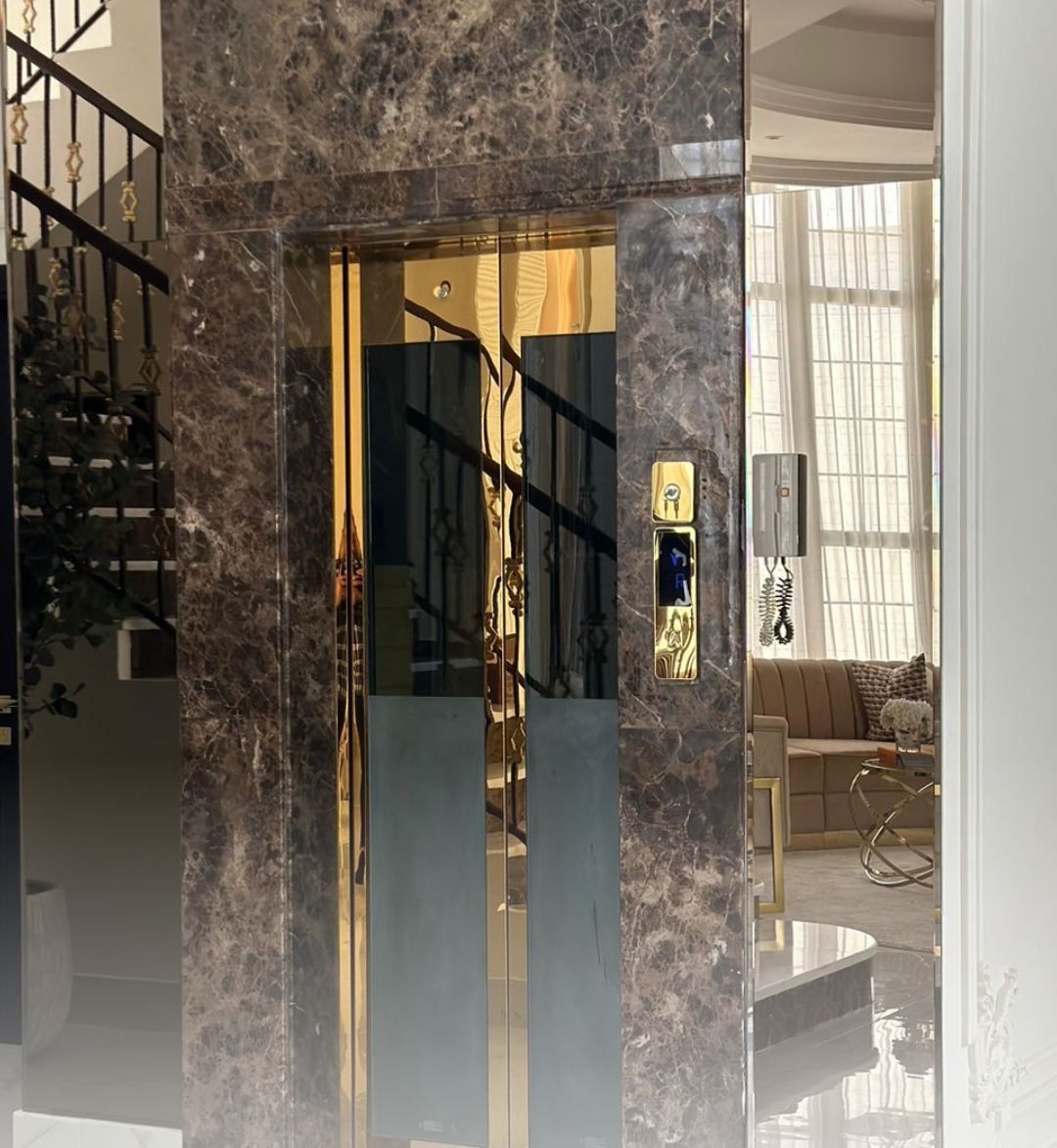
The elevator is often one of the first experiences people have when entering a building. A worn-out cabin interior, damaged buttons, poor lighting, scratched panels, or outdated displays can negatively affect the image of the property.
Even if the building itself is modern, an old elevator can make the entire environment feel outdated.
In commercial buildings, elevator appearance reflects the professionalism and standards of the business. In residential properties, modern interiors improve resident satisfaction and increase property value.
Modernization can completely transform the elevator experience through:
- Modern cabin interiors
- Stylish ceiling and lighting designs
- Touch-sensitive operating panels
- Digital floor indicators
- Stainless steel or customized finishes
- Touchless technology options
A visually upgraded elevator creates a stronger first impression while improving passenger comfort and confidence.
Benefits of Elevator Modernization
Elevator modernization provides long-term advantages for both building owners and passengers. Beyond improving performance, modernization enhances the overall value, safety, and efficiency of the property.
Improved Passenger Safety
Modern safety systems reduce risks and improve emergency response capabilities.
Reduced Maintenance Costs
Replacing aging components minimizes frequent repairs and lowers long-term service expenses.
Better Ride Comfort
Advanced drive systems provide smoother, quieter, and faster operation.
Increased Building Value
Modern elevator systems improve the image and market value of residential and commercial properties.
Energy Savings
Energy-efficient technologies reduce electricity consumption and operational costs.
Modern Appearance and Technology
Updated cabin designs and smart controls create a more advanced and professional building experience.