
Dumbwaiters and Service Lifts in the UAE: A Buying Guide for Hotels, Restaurants and Hospitals
Dumbwaiters and Service Lifts in the UAE: A Buying Guide for Hotels, Restaurants and Hospitals
When people talk about vertical transportation, the conversation almost always starts with passenger elevators. But in hotels, restaurants, hospitals and even large villas, some of the busiest lifts in the building never carry a person at all. Dumbwaiters and other service lifts move food, linen, medical supplies, luggage and waste between floors dozens of times a day, and when they are undersized or poorly specified, the effect on operations is immediate: cold food reaching the restaurant floor, housekeeping carts stuck in stairwells, or a hospital pantry that cannot keep pace with meal service.
This guide sets out what a facilities or F&B manager in the UAE actually needs to know before specifying a dumbwaiter or service lift — the difference between the two, how to size one correctly, and what ongoing care they require in a hot, humid climate.
What Counts as a Service Lift?
The terms get used loosely, so it helps to separate them:
- Dumbwaiters are small, unmanned lifts, typically rated well under 300 kg, sized to carry trays, plated food, small equipment or documents between floors. They are not designed or certified to carry passengers, and the car is usually too small for a person to enter.
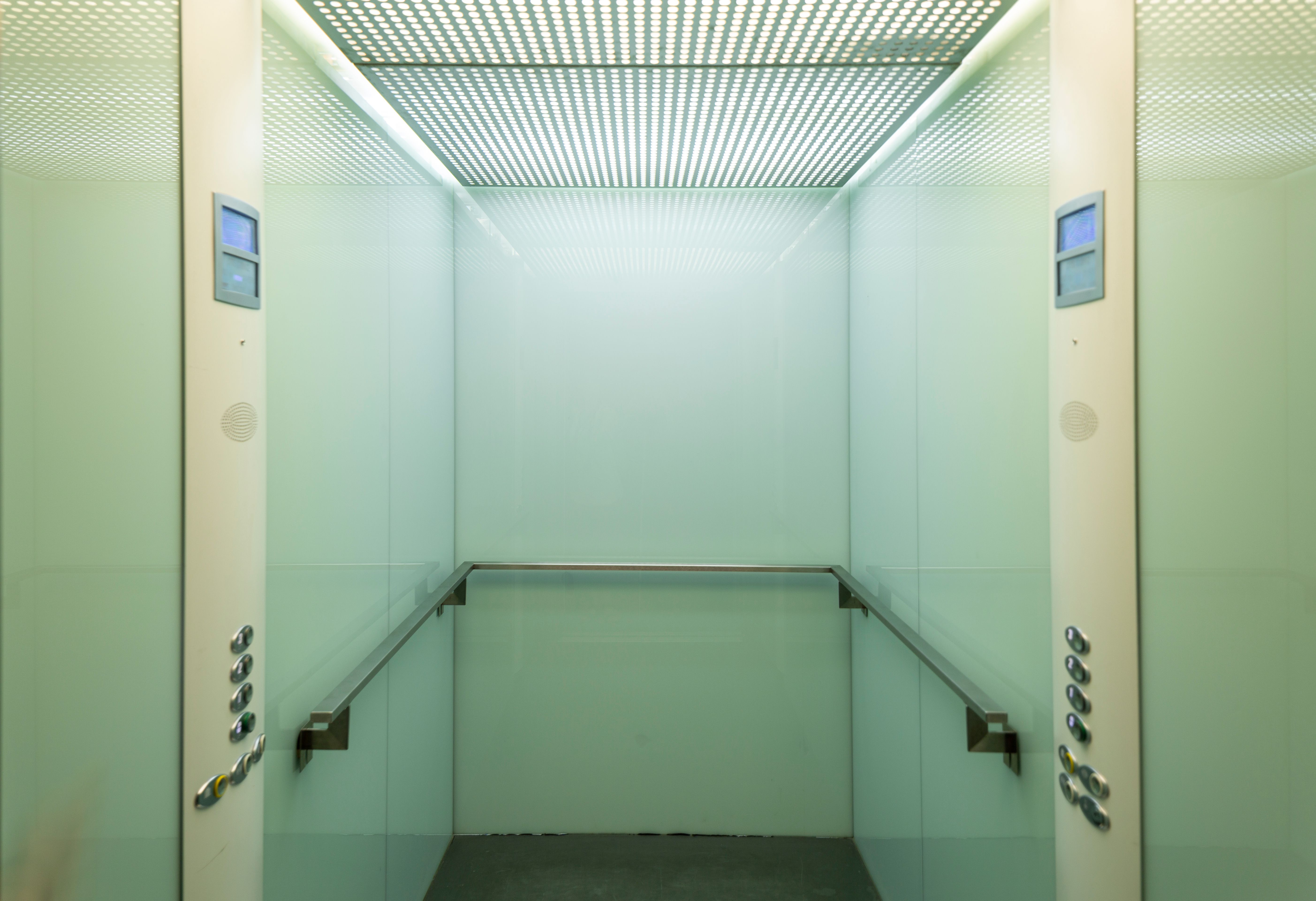
- Service lifts (goods lifts) are larger unmanned or attendant-operated lifts built for trolleys, laundry carts, room-service carts, gurneys or bulk supplies. Capacities commonly range from around 500 kg up to several tonnes for hospital and back-of-house applications.
- Freight and cargo lifts sit at the heavy end of the same family, moving pallets, furniture or heavy equipment, usually in industrial or large commercial buildings rather than hospitality settings.
Choosing between them starts with an honest look at what will actually travel in the car — its weight, its dimensions, and whether a person will ever need to ride alongside it.
Where Each Type Fits
Hotels and Restaurants
A hotel with a rooftop restaurant or banquet floor separate from the main kitchen almost always needs a dedicated food-service route. A dumbwaiter handles trays and small chafing dishes efficiently and takes up far less shaft space than a passenger lift, which matters in a retrofit where core space is already committed. Larger properties with room service across many floors, or hotels running bulk banquet service, typically need a full service lift sized for gastronorm trolleys rather than a dumbwaiter.
Linen and waste movement is a second, often overlooked, use case. Housekeeping carts and waste bins are heavy, awkward and not something staff should be moving through guest corridors or passenger lift lobbies. A separate service lift keeps this traffic out of guest-facing areas entirely.
Hospitals and Healthcare Facilities
Hospitals depend on service lifts for pharmacy deliveries, sterile supply movement, food trolleys and soiled-linen removal, all of which need to stay physically separate from passenger and bed-lift traffic for infection-control reasons. Sizing here should account for standard trolley and cart dimensions used by the facility's catering and housekeeping contractors, not just the payload weight, since an undersized car forces staff to make more trips or leave items outside the lift.
Villas and High-End Residential
Dumbwaiters have become a popular addition to multi-storey UAE villas, most often for moving groceries, luggage or wine between a garage or ground-floor kitchen and upper living areas. The scale is small, but the same basic principle applies: define what will travel in it before deciding on car size.
Sizing and Specification: What Actually Matters
A service lift proposal should answer these questions before capacity or car size are finalized:
- What is the heaviest single load? Size to the heaviest realistic load plus a working margin, not the average load.
- What are the largest item dimensions? A gastronorm trolley, a hospital cart or a wheeled bin has a footprint — the car and door opening need to clear it with room to manoeuvre.
- How many trips per hour at peak? A restaurant during a banquet, or a hospital during meal service, creates a traffic peak that a car sized only for average-day use will not clear fast enough.
- Does anyone ever need to ride with the load? This determines whether the installation must meet passenger-carrying requirements or can remain a goods-only unit.
- What travels near it? Food-service lifts serving working kitchens need finishes and door types that hold up to grease, moisture and frequent cleaning.
Getting these answers from the kitchen, housekeeping or clinical team before the shaft is built avoids the common and expensive mistake of installing a unit that is technically working but operationally too small.
Maintenance Considerations in the UAE Climate
Service lifts installed in kitchens, laundries and loading areas run in tougher conditions than a passenger lift in an air-conditioned lobby — heat, humidity, grease and frequent washdown all accelerate wear on guide rails, door mechanisms and electrical components. A few points are worth building into the maintenance scope from day one:
- Kitchen and laundry-adjacent units need more frequent inspection of door seals and electrical enclosures, since moisture ingress is a recurring failure point.
- High-cycle units — a busy hotel dumbwaiter can run hundreds of cycles a day — wear guide components and door operators faster than the cycle counts assumed for a typical passenger lift, so inspection intervals should reflect actual usage rather than a generic schedule.
- Because these lifts are usually invisible to guests, a fault can go unreported for longer than a passenger lift breakdown would. A proactive AMC with scheduled inspections, rather than a call-when-broken arrangement, is the more reliable approach for back-of-house equipment.
An annual maintenance contract that explicitly covers service lifts and dumbwaiters alongside passenger elevators ensures this equipment gets the same scheduled attention, rather than being treated as an afterthought.
Planning a New Installation
For a new hotel, restaurant fit-out or hospital wing, service lift planning should happen alongside — not after — the main passenger elevator layout. Shaft location, structural loading and electrical supply all need to be coordinated early, and retrofitting a service lift into a building that did not plan for one is markedly more disruptive than including it in the original design. Our elevator installation team scopes passenger and service lift requirements together so that shaft planning, power supply and finishes are coordinated from the outset rather than resolved piecemeal.
For a full view of what a building needs across passenger, service and emergency vertical transportation, see our services overview.
Getting It Right the First Time
Dumbwaiters and service lifts rarely get the attention passenger elevators do during design, yet a poorly specified one creates a daily operational headache that is expensive to fix after the shaft is built. The fix is straightforward: involve the teams who will actually use the equipment — kitchen, housekeeping, clinical staff — in defining load, size and traffic before the specification is locked, and put the resulting equipment on the same disciplined maintenance footing as the rest of the building's vertical transportation.
Morris Elevators works with hotels, restaurants, hospitals and villa owners across Abu Dhabi and Dubai to plan, install and maintain passenger, service and freight lifts as one coordinated system. To discuss a dumbwaiter or service lift for a new project or an upgrade to an existing one, contact our team at +971 2 555 2727 or [email protected], or visit us at Mazyad Mall, MBZ City, Abu Dhabi.